

 See My Latest Article on HelloNation

Why Home Protection Should Be Planned Before Work Begins
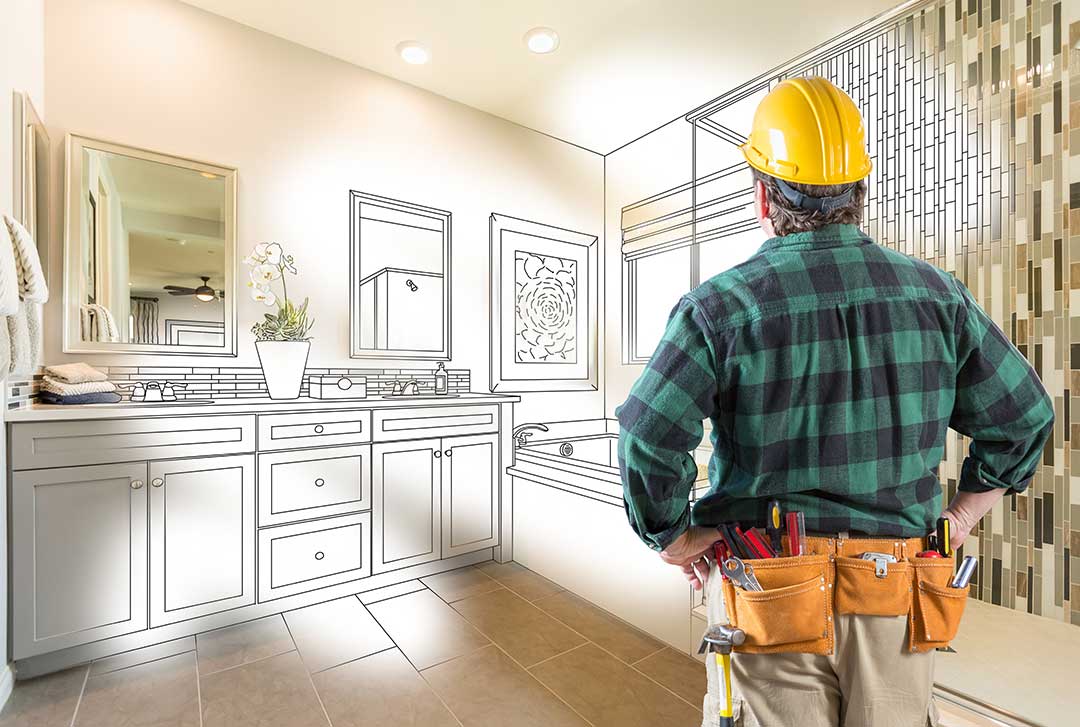
Protecting a home during renovation starts before demolition, deliveries, or material removal. A written protection plan helps prevent dust migration, floor damage, accidental impacts, moisture problems, and disruptions to areas that are not being remodeled.
In Williamsville, NY, renovation planning also needs to account for seasonal conditions. Snow, slush, salt, and spring moisture can be tracked indoors, while summer humidity can affect unfinished materials and temporary openings. Older homes may have narrow hallways, finished basements, hardwood floors, plaster walls, or mechanical systems that require extra care.
Before work begins, identify:
- Which rooms and surfaces will be affected
- Which parts of the home must remain accessible
- Where workers will enter and exit
- How tools and materials will be moved
- Where waste, dust, and debris will be contained
- Which utilities must remain operational
- How children, pets, and household members will stay separated from the work area
Photographs taken before construction can document the condition of floors, walls, trim, doors, and nearby furnishings. This is useful for tracking accidental damage and for confirming which existing imperfections were present before work started.
How Can Floors, Walls, and Trim Be Protected?
Floors need more than a single layer of thin plastic. Protection should match the surface, the traffic level, and the type of work being performed.
Hardwood floors may require a breathable temporary covering that resists scratches and allows limited moisture vapor to pass through. Plastic sheeting placed directly over wood for an extended period can trap moisture and affect the finish. Carpet should be covered with a securely fastened protective film or runner, while tile and resilient flooring still need protection from dropped tools, grit, and heavy equipment.
Wall and trim protection is especially useful along transport routes. Workers carrying cabinets, drywall, appliances, or long boards can easily scrape corners and door casings. Corrugated panels, padded barriers, or rigid corner guards can help shield vulnerable areas without relying on tape alone.
Protective materials should be secured so they do not create trip hazards. Tape should not be placed on delicate painted surfaces, recently finished floors, or wallpaper without testing a small area first.
How Do You Keep Renovation Dust From Spreading?
Dust control depends on separating the work zone from the rest of the house. Closing the renovation room door is rarely enough, because air movement through gaps, return vents, stairways, and plumbing penetrations can carry fine particles throughout the building.
Useful measures include:
- Sealing door gaps and openings with appropriate temporary barriers
- Using a separate entry path when practical
- Covering or isolating nearby return-air grilles
- Protecting supply vents from direct dust exposure
- Installing temporary floor runners along travel routes
- Cleaning debris regularly instead of allowing it to accumulate
- Using tools equipped for dust collection when the work allows it
A temporary containment wall with a zipper entry can be helpful for projects involving drywall, plaster, masonry, tile removal, or sanding. Air scrubbers or exhaust arrangements may also reduce airborne dust, but they must be used carefully. Exhausting air without considering replacement air can pull cold air, combustion gases, or outdoor moisture into the home.
Heating and cooling systems deserve special attention. Filters may need more frequent inspection during dusty work, but covering HVAC equipment or blocking ventilation without a plan can create operational problems. Any work involving asbestos-containing materials, lead-based paint, mold, or unknown insulation should be treated as a hazardous-material concern rather than ordinary renovation cleanup.
What Should Be Done About Doors, Windows, and Openings?
Temporary openings should be protected from weather, pests, and unauthorized access. A removed exterior door, open wall, or incomplete window installation can expose the home to rain, snow, freezing temperatures, and wind-driven moisture.
For exterior work, temporary coverings should be securely fastened and checked after storms. They should not block required egress routes or create unsafe conditions around stairs and entrances. Windows left open for ventilation can also admit rain or allow interior temperatures to drop enough to threaten plumbing.
Interior doors may be removed to move materials, but the opening should be isolated when it leads to occupied rooms. Doors, hardware, and trim should be labeled and stored in a dry, protected location. Small parts such as screws, hinges, and strike plates are easy to lose and can delay reinstallation.
How Can Furniture, Appliances, and Personal Belongings Be Kept Safe?
The safest location for furniture is outside the construction zone. Items that must remain nearby should be moved away from walls, covered with breathable protection, and kept clear of walkways.
Plastic covers can protect against splashes but may trap moisture if placed over damp furniture, leather, unfinished wood, or upholstered items for long periods. Valuable, fragile, sentimental, or irreplaceable belongings should be removed from the area entirely rather than relying on a covering.
Appliances and mechanical equipment need clearances for ventilation, operation, and servicing. A refrigerator, water heater, furnace, electrical panel, or sump pump should not be surrounded by stored materials. In a basement, keep renovation supplies off the floor in case of minor seepage, plumbing leaks, or melting snow entering through a foundation opening.
How Should Utilities and Safety Systems Be Protected?
Renovation work can affect electricity, water, gas, heating, ventilation, and fire protection. Utility shutoffs should be identified before work starts, and everyone involved should know how to respond to a leak, power failure, or other emergency.
Smoke alarms and carbon monoxide alarms must remain operational and accessible. Dust can interfere with some alarm devices, but removing or disabling them without a replacement plan creates a serious safety gap. If a detector must be temporarily relocated, another suitable alarm should cover the area during the work.
Electrical cords should be routed away from wet areas, walkways, and door swings. Temporary lighting should be stable and appropriate for the environment. Extension cords are not a substitute for correcting inadequate permanent wiring, especially where high-load tools or appliances are involved.
Water lines in unfinished areas should be protected from freezing during cold weather. This matters particularly when exterior walls are opened, insulation is removed, or normal heating is interrupted. A damaged or disconnected sump pump can also leave a basement vulnerable during heavy rain or snowmelt.
What Renovation Habits Prevent Damage?
Good daily routines prevent many avoidable problems. Tools, fasteners, debris, and sharp materials should be removed from walkways at the end of each work period. Wet materials should not be stored directly on finished floors. Dust should be cleaned with methods appropriate for the surface rather than spread with a dry broom.
A simple end-of-day check should confirm that:
- Exterior openings are closed or weather-protected
- Water supplies are shut off when required
- Temporary barriers remain secure
- Floors and stairs are clear
- Heating equipment and alarms are functioning
- Tools and hazardous materials are inaccessible to children and pets
- No plumbing, electrical, or structural component has been left exposed unnecessarily
Renovation debris should be handled according to its material. Nails, broken tile, treated wood, insulation, paint residue, and suspected hazardous materials should not be mixed casually with ordinary household waste.
When Is Extra Safety Planning Necessary?
Some renovation conditions require more than ordinary household precautions. Structural changes, electrical alterations, gas-related work, major plumbing changes, roofing, chimney work, and projects involving hazardous materials can create risks that are not obvious to an untrained observer.
Permit requirements may apply depending on the scope of work and local rules. A project should not leave unsafe wiring, unsupported framing, exposed combustion equipment, or unprotected openings simply because the final work is not yet complete.
Households should also plan for temporary living changes. If a kitchen, bathroom, bedroom, or heating zone will be unavailable, decide in advance how food preparation, bathing, laundry, medication storage, and emergency access will be handled. A renovation is safer when the home can remain functional without forcing people through an active work area.