

 See My Latest Article on HelloNation

What Are the Main Differences Between DIY and Hiring a Contractor?
DIY home improvement means tackling repairs, upgrades, or renovations on your own, relying on personal skills and resources. Choosing a contractor involves hiring licensed professionals to complete the work. The right choice can depend on experience level, project complexity, budget, and the nature of Williamsville homes.
Most homes in Williamsville are single-family dwellings, many with basements and older structures. Local climate—with snowy winters, freeze/thaw cycles, and damp springs—impacts materials and project timing, influencing whether DIY or professional assistance makes better sense.
Why Do Residents Consider DIY Home Projects?
Many area homeowners choose DIY projects to save money, learn new skills, or personalize their living spaces. Painting rooms, minor landscaping, installing shelving, or updating fixtures are common DIY tasks in the community.
DIY can be appealing because:
- Labor costs are reduced or eliminated.
- Timeline flexibility is greater—projects can progress at your own pace.
- There’s a sense of accomplishment and learning.
However, DIY requires time, research, and effort. Mistakes can result in higher costs later or compromise safety, especially if local building codes aren’t followed.
What Are the Pros and Cons of Doing It Yourself?
Advantages:
- Cost savings: The largest draw is often avoiding labor expenses, which can make small jobs far more affordable.
- Personal satisfaction: Completing a project yourself can be gratifying.
- Control: You choose materials, timing, and methods.
Considerations:
- Skill limitations: Complex projects, like electrical work or basement waterproofing (especially important in damp conditions common to the city), may require knowledge most DIYers don’t have.
- Time commitment: Even “simple” tasks often take longer when balancing jobs, family, and repairs.
- Tools and resources: Many repairs require specialized tools not found in a typical household toolbox.
- Compliance risks: Williamsville homes must meet local building codes and may require permits for certain projects. DIY mistakes can lead to failed inspections or unsafe results.
- Hidden hazards: Older homes in the city may contain lead paint, asbestos, or old wiring requiring professional handling.
When Does Hiring a Contractor Make More Sense?
For large-scale renovations, structural changes, roof repairs, major electrical or plumbing updates, or anything requiring a permit, hiring a knowledgeable contractor is typically a safer option.
Benefits of Hiring Contractors:
- Expertise: Professionals bring training, experience, and familiarity with building codes.
- Time efficiency: Work often moves faster with a skilled crew.
- Quality and warranty: Reputable contractors stand by their work and can resolve issues that arise.
- Access to resources: Contractors have supplier relationships and access to tools not available to most residents.
- Legal compliance: Permitted work is completed to code and inspected, reducing liability for homeowners.
Potential downsides:
- Higher initial costs: Labor charges add up, making bigger jobs more expensive.
- Scheduling delays: Local contractors are sometimes booked out, especially after severe local weather or during busy seasons.
- Less personal input: Homeowners may feel less control over minor details.
Are There Projects Best Left to Professionals in Williamsville?
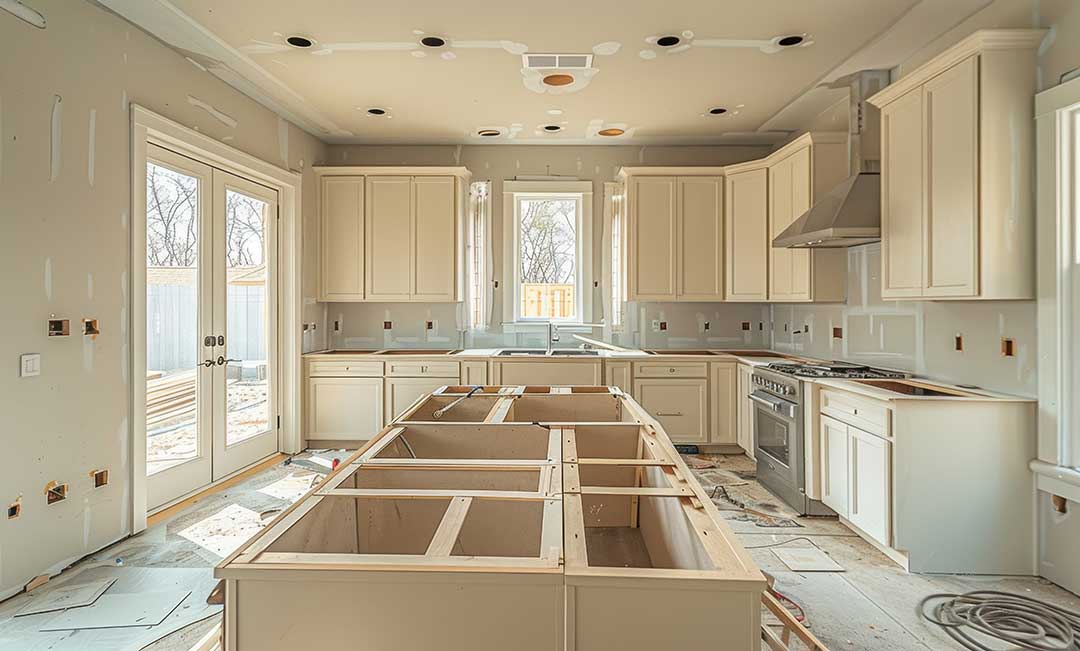
Yes, there are certain jobs that area homeowners should avoid tackling without proper licensing or expertise:
- Electrical system changes: The risk of fire, injury, or failed inspections is high without proper training.
- Structural modifications: Altering load-bearing walls or foundations can undermine home safety.
- Roof repair or replacement: The combination of pitch, weather conditions, and technique requirements makes this dangerous and error-prone for non-experts.
- Major plumbing: Improper installations can lead to leaks or water damage, a particular concern in homes with basements or older pipes.
- Hazard removal: Lead paint, asbestos, or mold require specialized safety measures.
Local code enforcement also requires permits for many of these projects; unpermitted work may cause issues when selling a home or making insurance claims.
How Can You Decide Which Route Is Best for Your Project?
Homeowners in the community often weigh several factors:
- Skill level: Realistically assess your abilities. A willingness to learn is admirable, but some tasks need more than online tutorials.
- Time available: Projects that disrupt daily life—like a kitchen remodel or bathroom renovation—can drag on for months if DIYed part-time.
- Scope and complexity: Jobs that are surface-level or cosmetic are generally more suitable for DIY. Tasks involving structure, safety, or code compliance typically favor hiring a contractor.
- Safety and regulations: Always prioritize safety, for both yourself and future occupants.
A good local example: Painting a few rooms or reseeding the lawn are common summer DIY projects in Williamsville. However, rebuilding a deck so it withstands freezing and thawing cycles typically benefits from a contractor’s expertise due to unique factors in local climate exposure and code.
What Do Many Homeowners Overlook?
- Insurance coverage: Many homeowners’ insurance policies in the city will not cover damages resulting from unlicensed or unpermitted work. Review your policy before starting substantial DIY projects.
- Permit requirements: Some projects, even “minor” ones, need official permitting; skipping these can lead to fines or complications down the line.
- Impact of seasonal weather: Scheduling work in winter can be challenging due to snow and ice, especially for exterior or foundation projects.
- Material sourcing and storage: DIYers are often surprised by how much space supplies occupy, or how delivery schedules can delay projects in neighborhoods with limited truck access or parking.
Where Can Residents Get Additional Guidance?
While direct recommendations are avoided here, local residents can consult resources such as Williamsville code enforcement, municipal building departments, or area hardware stores for guidance on codes, permit requirements, and safety considerations. These resources can clarify when a permit is required, which materials work best for local weather, and what historical building practices may impact a project.
Deciding between doing it yourself and hiring a contractor comes down to knowledge of one’s abilities, the nature of the project, and the risks involved. Approaching each home improvement project with factual information and an understanding of local conditions helps ensure successful, safe, and satisfying results for Williamsville households.