

 See My Latest Article on HelloNation
Why Is Clear Communication with Your Contractor So Important?
Clear, consistent communication prevents misunderstandings and costly delays. In residential projects, especially around Williamsville, NY where older homes meet updated infrastructure, unspoken assumptions can lead to mismatched expectations. Clear dialogue from the start builds trust, clarifies each party’s role, and gives everyone a shared understanding of goals and boundaries.
A common misconception is that contractors can “read between the lines” or will automatically know your preferences. In reality, specifics about fixtures, finishes, or timelines often get lost unless spelled out early and approved in writing.
What Are the Best Ways to Start Your Communication Off Right?
Starting with an in-person meeting at your home or project site is ideal. This allows both the homeowner and contractor to see the conditions firsthand and ask detailed questions. Bring written notes about your main goals and concerns, and ask for clarification wherever details feel vague.
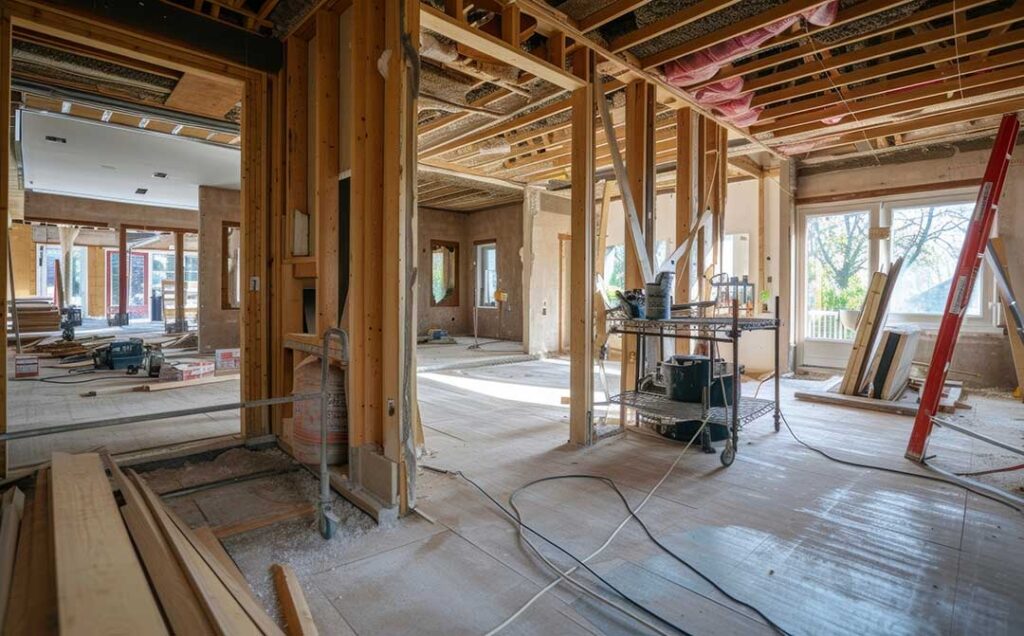
Documentation is especially important in areas like Williamsville, where older homes might hide surprises—such as outdated wiring or hidden water damage.
Essential items to cover at the outset:
- How often you’d like updates (daily, weekly, after milestones)
- Your preferred communication method (phone, email, texts)
- Who the main point of contact is on both sides
- Any vacation dates, events, or seasonal factors that could affect scheduling
How Can You Stay on the Same Page Throughout the Project?
Regular check-ins help everyone track progress and spot potential problems early. Written summaries—whether emails, texts, or shared photos—provide a record of discussions, decisions, and changes. Many area homeowners find it useful to keep a project folder for all correspondence, contracts, and receipts.
Best practices include:
- Send follow-up emails after major conversations to confirm agreement
- Ask questions if plans or explanations seem unclear, even if you feel awkward
- Request photos or videos if you’re not able to be on site for key moments (for example, before drywall goes up or when materials arrive)
Remember, weather can affect timelines in Western New York—wind, snow, and freeze-thaw cycles sometimes cause delays. Proactive updates from both sides make it easier to deal with the unexpected.
What Should You Do If There’s a Problem or Misunderstanding?
Address issues early, calmly, and in writing. If you notice construction dust spreading beyond the work area, materials not matching what you discussed, or unexplained breaks in work, ask directly before making assumptions.
Steps for addressing concerns:
1. Explain what you noticed and ask for clarification or correction.
2. Reference your contract, prior emails, or texts to support your point.
3. Allow time for the contractor to respond—they may need to check with suppliers or workers.
4. If you’re concerned about safety, compliance, or a code violation, consider reaching out to the local building department for guidance.
Williamsville residents sometimes hesitate to speak up, but respectful, specific questions keep projects running smoothly and help avoid resentment later.
How Detailed Should Your Communication Be?
Detailed instructions prevent costly do-overs. Photos of styles you like, sketches of your layout ideas, or written lists of desired materials are extremely useful. Verbal agreements are easily forgotten—put key decisions in writing, even just as a summary email.
Some topics to clarify in detail:
- Paint colors (brand, shade, finish)
- Fixture models and locations
- Trim styles
- Placement of outlets, switches, or specialty features
- Any "must-have" or "must-not" instructions
Don’t assume designer jargon or trade abbreviations mean the same thing to all parties. If unfamiliar language comes up, ask for a plain explanation.
How Do Weather and Season Affect Communication in the Community?
Williamsville’s climate means frequent snow, spring rains, and humid summers. These seasonal factors can impact exterior projects, material deliveries, and site access. Discuss weather contingency plans before work begins and agree on how updates will be communicated if rain or snow delays progress.
For example, if a roofing project gets postponed due to high winds, request a text or email update so you’re not left waiting or wondering. An agreed-upon chain of communication helps set proper expectations for both parties, especially during unpredictable weather.
What Local Factors Should Residents Be Aware Of?
Local permits, neighborhood associations, and utility easements sometimes affect projects, and occasionally, rules differ from block to block. Ask your contractor to explain any steps involving municipal permits or required inspections, and request copies of approved permits for your files.
During the busy construction season in the region, some contractors juggle multiple projects. Ask in advance how they handle scheduling, and how soon they’ll notify you if a delay with another job spills over into yours.
What Should You Avoid When Communicating with Contractors?
Assuming, guessing, or relying on handshake agreements often leads to disagreements. Regular, written communication is far more effective than generalized small talk or hoping your contractor remembers every detail from a walk-through. Avoid waiting until frustrations build up before sharing concerns.
Examples of what to avoid:
- Only giving verbal instructions for important changes
- Assuming your priorities are obvious without stating them
- Relying on business cards or handwritten notes as the only record of agreements
- Waiting until completion to raise issues about details that bother you
Can Technology Help You Stay Connected During a Home Project?
Technology makes communication easier and more reliable, especially if you’re busy or travel frequently. Many residents use group texts, shared photo albums, or cloud-based files to track project updates, share inspiration images, and keep everyone informed.
Common ways homeowners coordinate with contractors:
- Shared folders for documents, progress photos, and design selections
- Group messaging for quick updates or scheduling
- Email chains for summarizing decisions and keeping a formal record
Digital records are especially valuable if the project lasts several weeks or months and details need to be tracked over time.